
Shariah-Compliant Property Investment in Dubai: A Practical Investor’s Guide
Al Barakah Investments Group
Principles Before Products
Shariah-compliant investment is built on a small number of clear principles: the avoidance of riba (interest), gharar (excessive uncertainty) and maysir (speculation); the requirement that investments be backed by tangible, halal assets; and the sharing of risk and reward between parties. Property, as a tangible, income-producing asset, is naturally well suited to these principles — but the structure of any given transaction still matters.
Halal Property Ownership
The simplest and most widely used Shariah-compliant route into Dubai property is an outright cash purchase. Ownership of a tangible asset, financed without interest, raises no riba concern. Rental income generated from leasing the property to a halal-use tenant is permissible, provided the lease contract itself meets Shariah requirements — for example, that the rent is for a clearly defined asset and period, and that the tenant's use is not for a prohibited purpose.
Ijara and Musharakah Structures
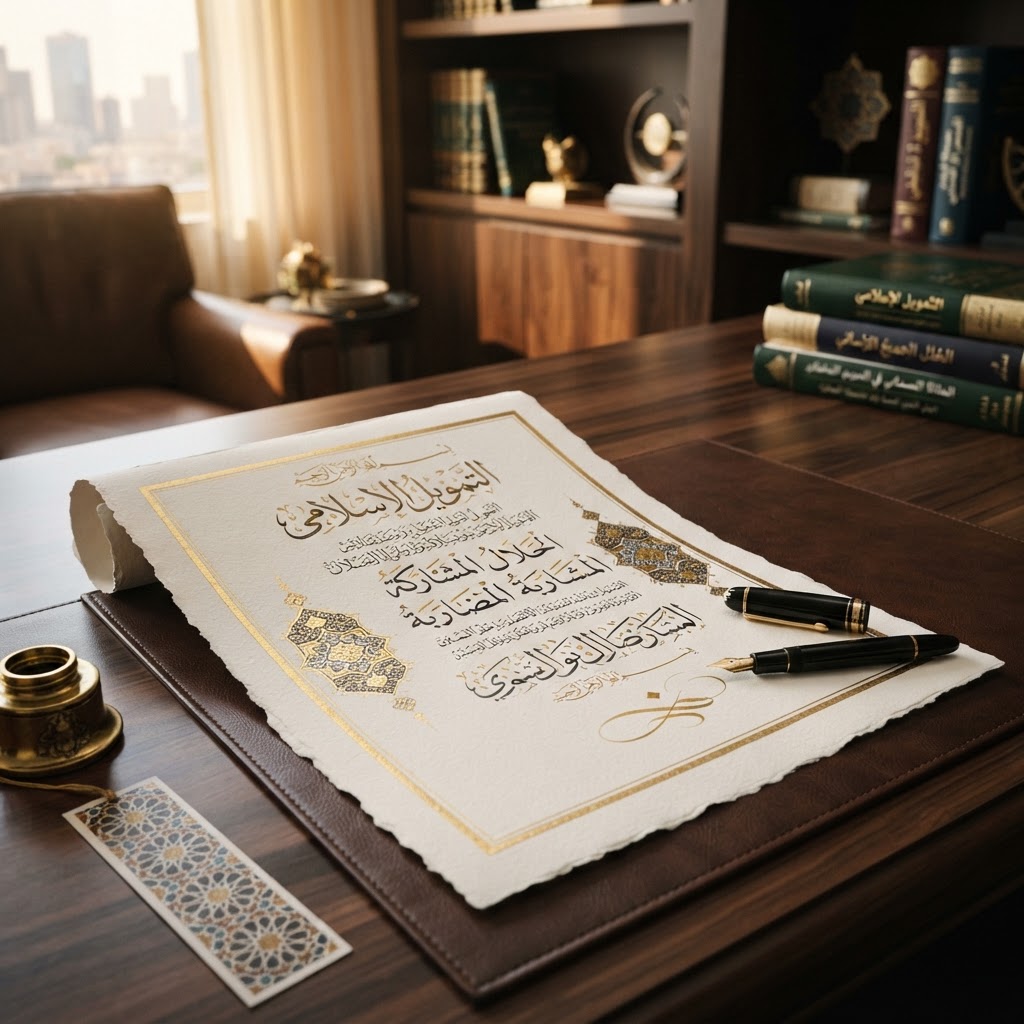
Where financing is required, two structures dominate Shariah-compliant property finance:
- Ijara — a lease-to-own arrangement in which the financier purchases the property and leases it to the investor, with ownership transferring at the end of the term. The financier earns profit through rental payments rather than interest.
- Musharakah — a partnership in which the investor and financier co-own the property, and the investor gradually buys out the financier's share over time (diminishing Musharakah).
Both structures are designed to avoid interest by grounding the financier's return in asset ownership and rental or partnership profit rather than lending. The structures are well established in GCC markets, but their specific terms vary by provider and should be reviewed carefully.
Avoiding Interest-Based Structures
A Shariah-minded investor should be cautious of:
- Conventional interest-bearing mortgages.
- Investment vehicles whose returns are derived from interest rather than asset performance.
- Deposit structures that pay guaranteed interest.
The distinction between a return derived from a tangible asset's performance and a return derived from lending money is central. When in doubt, the structure — not just the asset — should be reviewed by a qualified scholar.
Ethical Screening and Asset Backing
Even where property itself is halal, the surrounding structure should be screened. For example:
- The source of purchase funds should not be from interest-bearing borrowing.
- The tenant's business should not be predominantly in prohibited activities.
- Any associated financial products (insurance, guarantees) should be structured on a takaful (Islamic insurance) basis where possible.
Asset backing is a strength of property investment: the investor owns a tangible, useful asset that provides real utility to a tenant, rather than a claim on an abstract financial instrument.

The Importance of Independent Advice
Shariah compliance is a matter of religious and legal significance, and opinions can differ between scholars and schools of thought. Two forms of independent advice are essential:
- Shariah advice from a qualified scholar or board, to confirm that a specific structure meets the investor's religious requirements.
- Legal and tax advice from professionals qualified in the relevant jurisdiction, to confirm ownership, succession and tax treatment.
Al Barakah's approach, described in our investment model, is built around Shariah principles — but we always encourage investors to obtain independent confirmation for their personal circumstances.
Practical Steps for the Dubai Investor
- Prefer cash purchase or a reviewed Shariah-compliant finance structure.
- Confirm the lease and tenant use are acceptable.
- Use Dubai's regulated title and escrow framework.
- Take independent Shariah and legal advice before completing.
- Consider succession and zakat implications of the asset.
If you would like to discuss a Shariah-compliant approach to Dubai property, book a consultation with our advisory team.
Conclusion
Dubai offers one of the most accessible and transparent environments for Shariah-compliant property ownership. The principles are clear, the structures exist, and the regulatory framework supports secure ownership. As with all matters of faith and finance, the right path is one built on principle, proper structure and independent professional advice.
This article is provided for general information only and does not constitute financial, investment, legal, tax or Shariah advice. Market values and investment returns can rise or fall. Investors should obtain independent professional advice before making any decision.