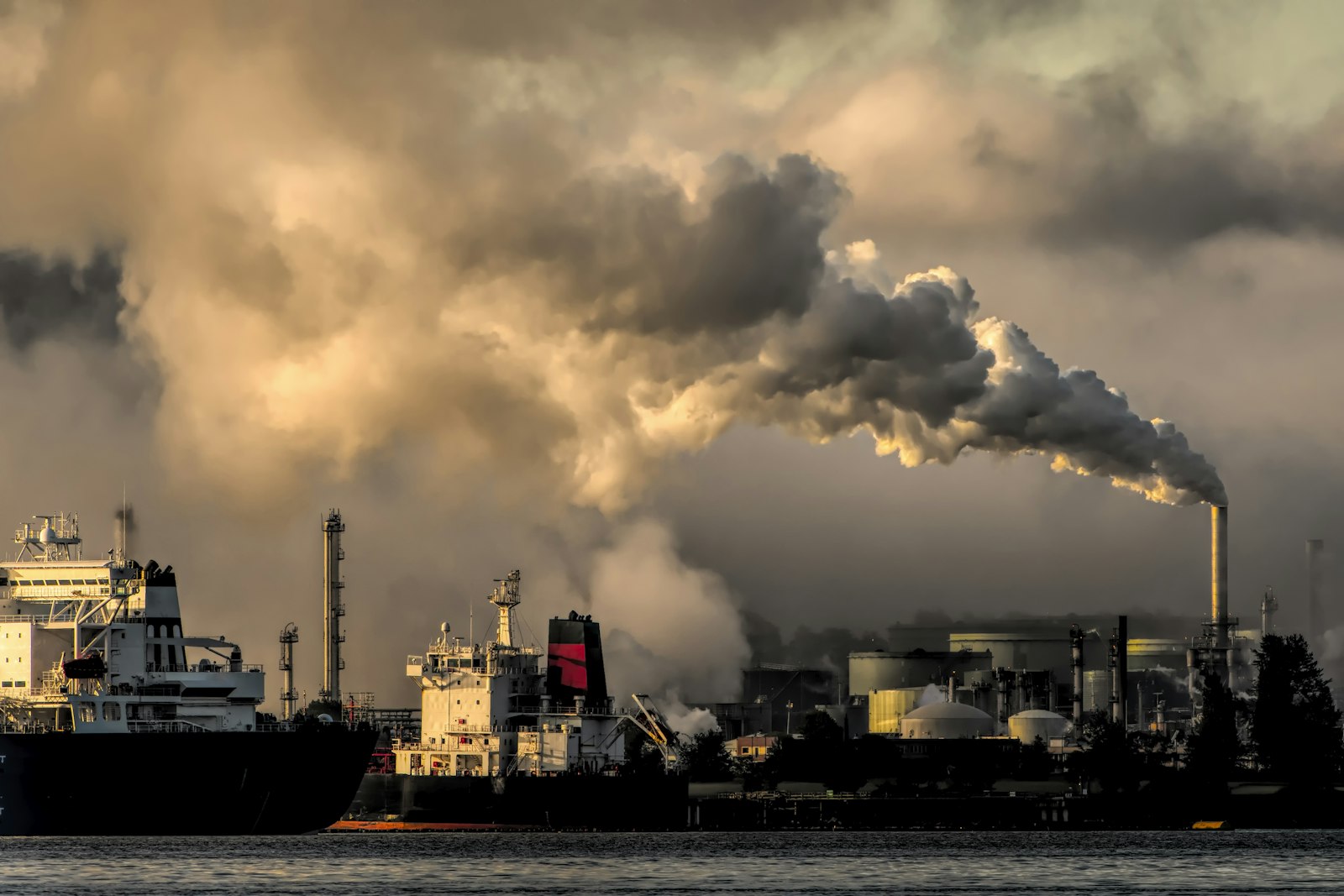
Global Oil Markets in 2026: Navigating Volatility and Capitalising on Energy Transition
Chief Investment Strategist
Global Oil Markets in 2026: Navigating Volatility and Capitalising on Energy Transition
Brent crude has traded between $68 and $94 per barrel in 2026, reflecting a market caught between geopolitical disruption, OPEC+ production discipline, and the accelerating energy transition. For investors, this volatility creates both risk and opportunity.
The Geopolitical Backdrop
Several factors are driving oil price volatility in 2026:
- OPEC+ Production Policy — The cartel has maintained disciplined supply management, with voluntary cuts from Saudi Arabia and Russia continuing to support prices above historical averages.
- Middle East Stability — Regional diplomatic developments, including the ongoing normalisation of ties between Gulf states and broader regional actors, have reduced the geopolitical risk premium embedded in crude.
- Strategic Reserves — The US Strategic Petroleum Reserve, depleted in 2022–2023, is being gradually replenished, creating a structural demand floor.
The Energy Transition Reality
While the long-term trajectory toward renewables is clear, the transition is neither linear nor rapid. Global oil demand is projected to peak between 2030 and 2035, meaning oil will remain a critical investment asset class for the remainder of this decade.
Three transition dynamics are shaping the market:
- Underinvestment in New Supply — ESG pressures have constrained capital expenditure on new exploration, creating future supply tightness that supports prices.
- Petrochemical Demand — Even as transport fuel demand plateaus, petrochemical feedstock demand continues to grow, particularly in Asia.
- Natural Gas as a Bridge — LNG infrastructure investment is surging, creating opportunities across the gas value chain.
How Shariah-Compliant Investors Can Participate
Conventional oil futures and commodity ETFs often involve interest-bearing structures or excessive uncertainty (gharar), making them unsuitable for Shariah-compliant portfolios. However, several halal pathways exist:
- Equity in Upstream Companies — Investing in shares of oil exploration and production companies that pass Shariah screening (acceptable debt ratios, non-haram primary business).
- Energy Infrastructure Sukuk — Islamic bonds issued by energy companies and sovereigns, offering regular income from energy-linked assets.
- GCC Sovereign and Corporate Sukuk — Gulf energy-linked sovereign instruments provide halal exposure to the oil economy.
- Real Assets — Investment in energy-adjacent real assets such as logistics and storage infrastructure.
Our View
We expect Brent to average $78–$86 per barrel through the remainder of 2026, with upside risk if supply disruptions materialise. For halal investors, we favour a diversified approach: selective energy sukuk for income, Shariah-screened energy equities for growth, and energy-adjacent real estate for inflation protection.
At Al Barakah Investments, our investment committee meets quarterly to reassess energy sector positioning within client portfolios. Contact our wealth management team to discuss how energy fits within your halal investment strategy.