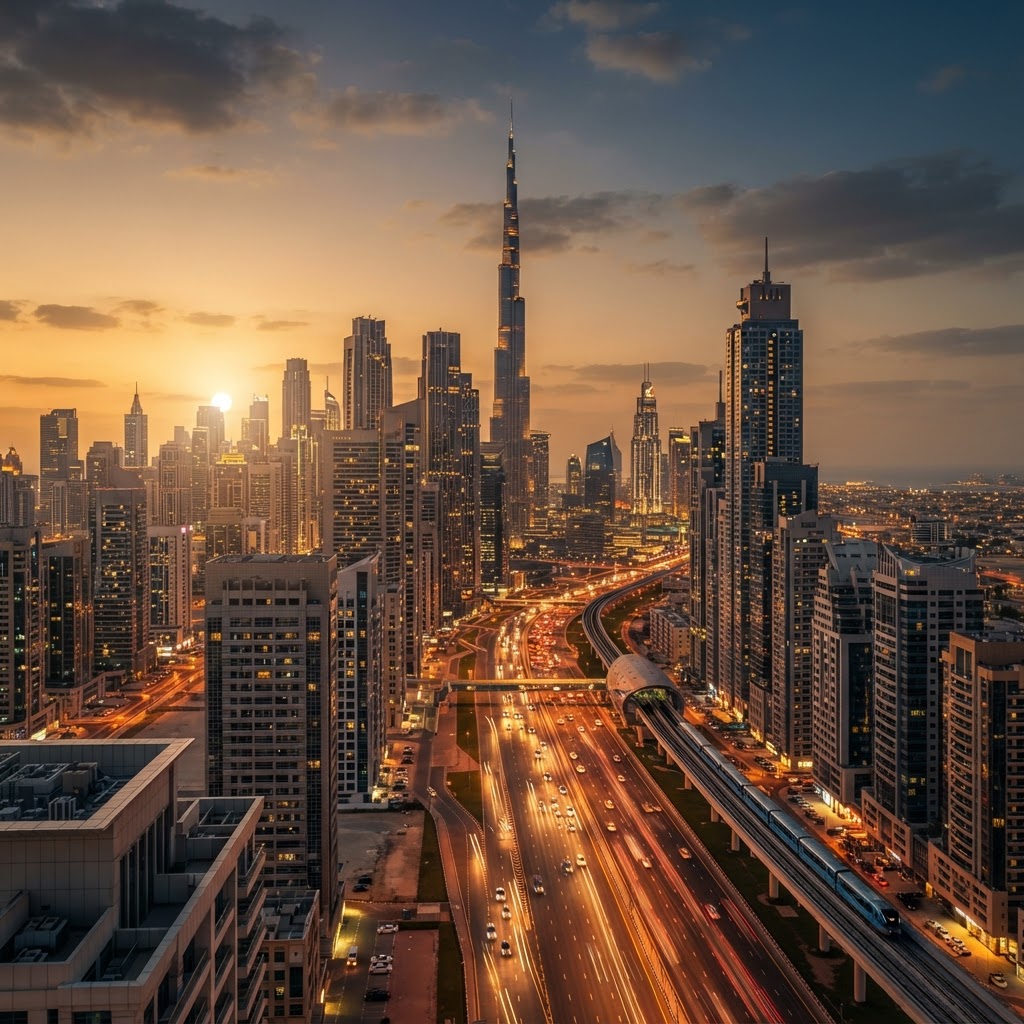
Dubai Real Estate Investment Outlook: Where Global Capital Is Moving in 2026
Al Barakah Investments Group
Where Global Capital Is Heading in 2026
Dubai has spent the past decade quietly transitioning from a regional trading hub into one of the world's most consequential destinations for international real estate capital. In 2026, that maturation is visible in almost every layer of the market — from the breadth of buyers to the depth of infrastructure supporting long-term ownership.
A Market Built on Population Growth
The single most important driver of Dubai's property market is demographic. The emirate's population has continued to expand steadily, underpinned by residency reforms, the Golden Visa programme, and a business environment that attracts entrepreneurs and skilled professionals from across the Gulf, South Asia, Europe and beyond. Population growth creates genuine housing demand — not speculative demand — and that distinction matters enormously for long-term investors.
According to data published by the Dubai Statistics Centre, the emirate's population has grown consistently year on year, with each increment translating directly into additional household formation and rental requirements. This is the bedrock of the market's resilience.
Infrastructure as a Competitive Moat
Dubai's infrastructure investment is not cosmetic. The expansion of the Dubai Metro, the continued build-out of new road corridors, the operational maturity of Al Maktoum International Airport and the integration of Expo City into the urban fabric all serve a single purpose: making more districts viable for residential and commercial life.
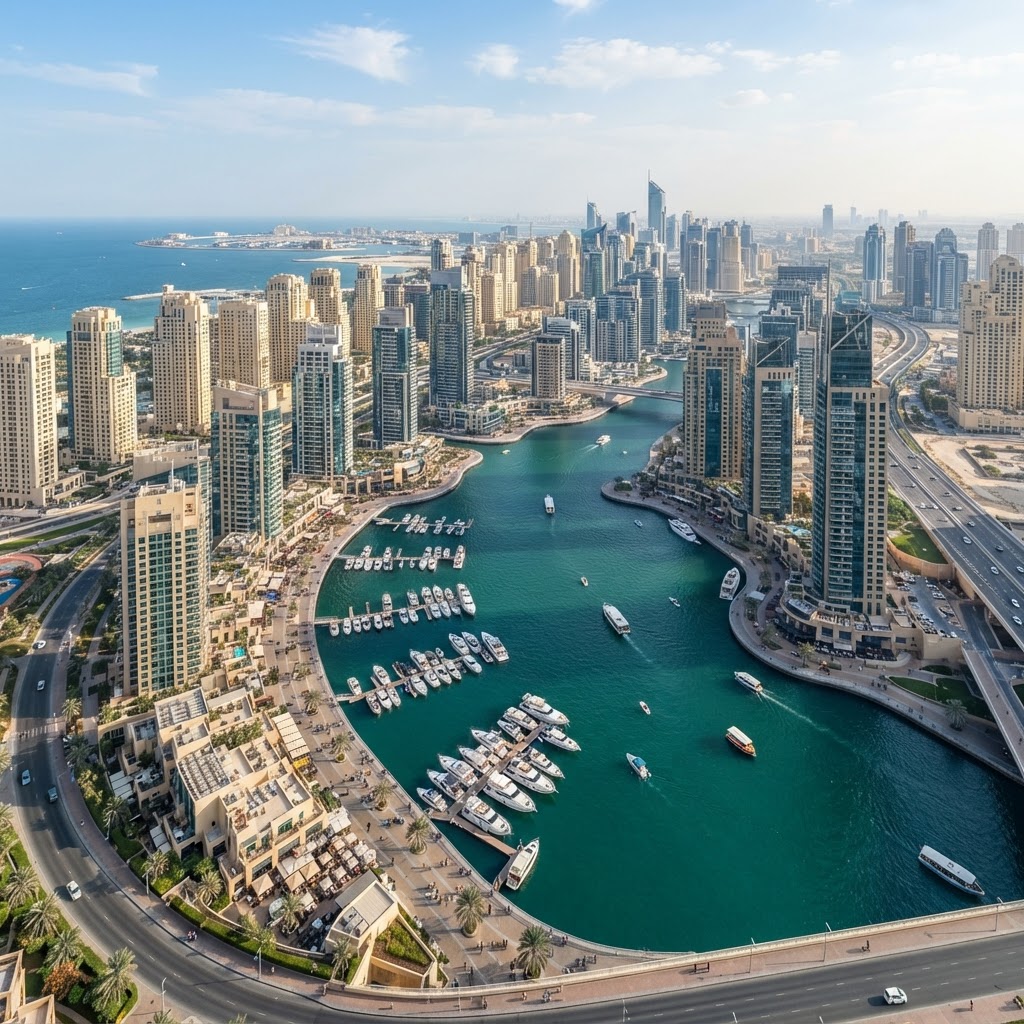
For investors, infrastructure is a leading indicator. Areas that gain new metro access, highway connections or civic amenities tend to see occupier demand follow. The lesson is to look at the city's master plan and identify where the next connections are being laid, rather than chasing only what is already established.
Established Communities and the Flight to Quality
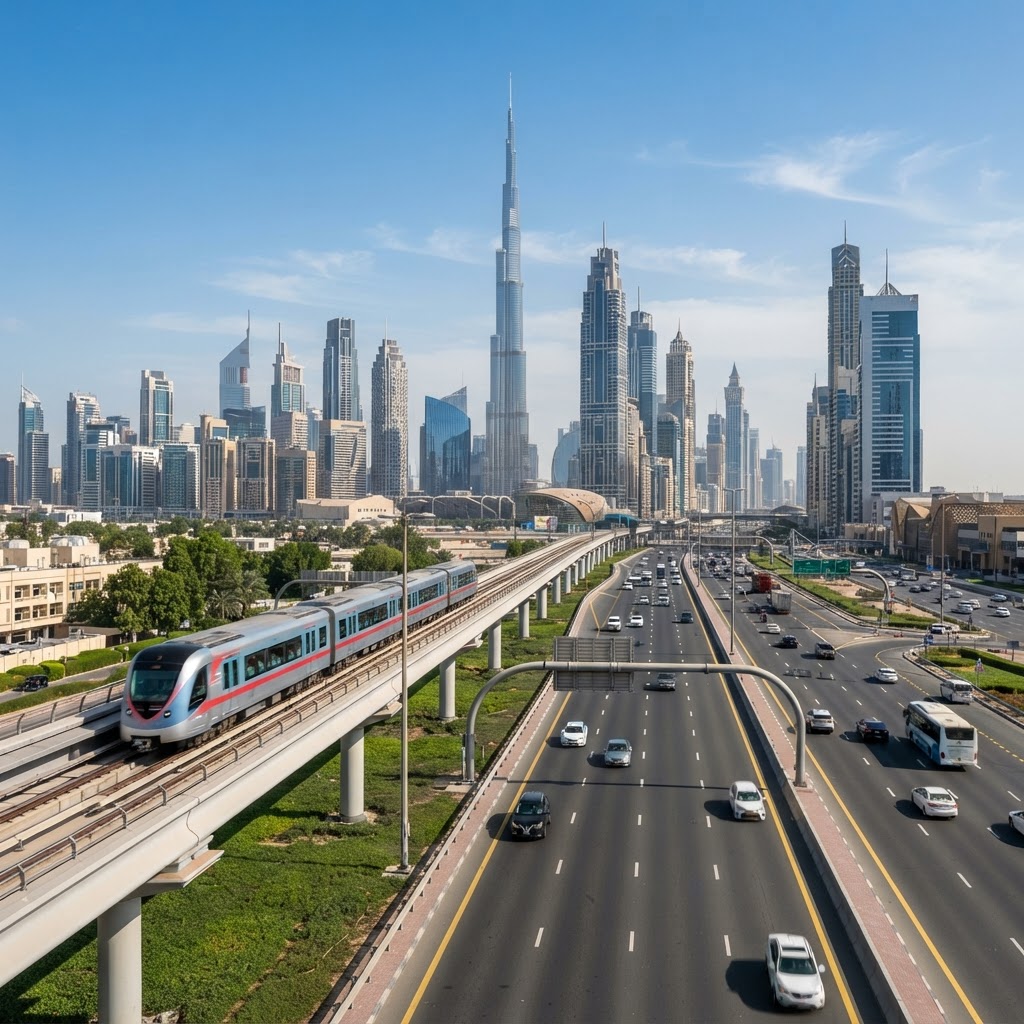
While headline growth often focuses on new launches, much of the serious capital in 2026 is concentrating in established communities. Areas such as Dubai Marina, Jumeirah Lakes Towers, Business Bay, Palm Jumeirah and the older but well-located communities along Sheikh Zayed Road offer something new supply cannot immediately replicate: a proven occupier base, mature amenities and secondary-market liquidity.
This matters for investors who may need to exit before a development cycle completes. Established communities tend to transact more efficiently, with clearer price discovery and shorter marketing periods.
International Demand Has Broadened
A defining feature of the current cycle is the diversity of buyers. Where earlier Dubai cycles were concentrated in a handful of nationalities, demand now spans a wide spectrum — from Gulf and South Asian investors to European, North American and Far Eastern capital seeking diversification, residency or a hedge against home-market volatility.
This broadening reduces the market's dependence on any single source of capital and makes it less vulnerable to regional shocks. It also means that price trends vary meaningfully by community and asset type, rewarding investors who understand the granular differences between districts.
Long-Term Fundamentals Over Short-Term Headlines
It is tempting to focus on record transaction values, but prudent investors look past the headlines to the fundamentals that sustain a market over a full cycle: population growth, infrastructure, rental demand, regulatory clarity and a transparent transaction process. Dubai's Dubai Land Department provides one of the region's most transparent property data environments, which itself supports investor confidence.
Practical Considerations for Investors
- Define the holding horizon. Dubai rewards investors who hold through cycles rather than those who attempt to time short-term peaks.
- Prioritise occupier demand. Communities with genuine end-user demand are more resilient than those reliant on speculative flipping.
- Use regulated channels. Engage with registered brokers and developers, and use the official escrow framework for off-plan purchases.
- Take independent advice. Cross-border property investment has tax, legal and structuring implications that vary by the investor's home jurisdiction.
If you are evaluating Dubai real estate as part of a broader portfolio, our investment solutions and consultation teams can help you frame the decision against your wider objectives.
Conclusion
Dubai in 2026 is not a single, uniform opportunity. It is a maturing, multi-layered market where demographic growth, infrastructure investment and a broadening international buyer base support genuine, demand-led ownership. The investors most likely to do well are those who focus on fundamentals, choose districts with proven or emerging occupier demand, and hold with a realistic horizon.
This article is provided for general information only and does not constitute financial, investment, legal, tax or Shariah advice. Market values and investment returns can rise or fall. Investors should obtain independent professional advice before making any decision.