Dubai’s Emerging Investment Districts: Where to Look Beyond the Traditional Prime Market
Al Barakah Investments Group
Looking Beyond the Established Prime
Dubai's best-known prime areas — Downtown, the Marina, Palm Jumeirah — rightly attract attention, but they are no longer the only districts worth an investor's consideration. A new generation of master-planned communities is maturing across the emirate, each with its own infrastructure story, supply dynamics and occupier demand profile. Understanding these districts is essential for investors who want to look beyond the established core.
Dubai Creek Harbour
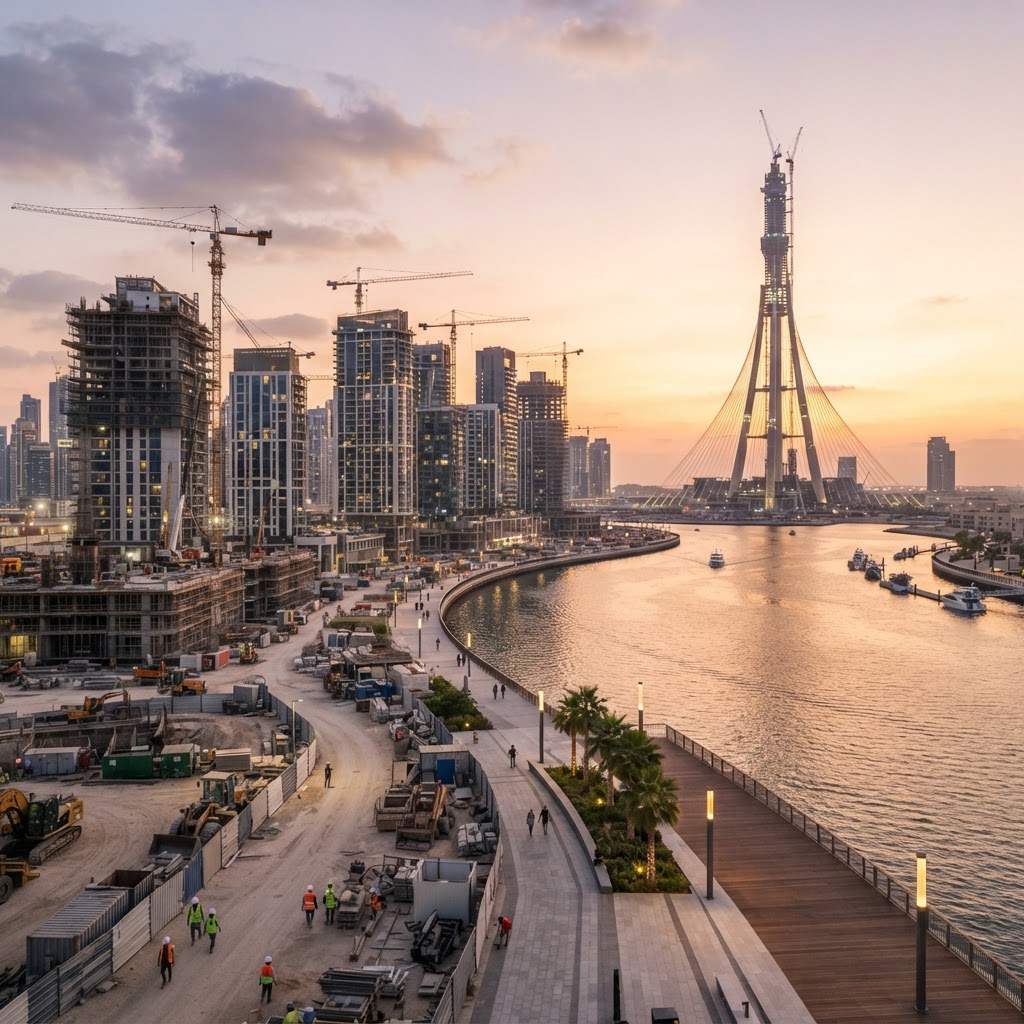
Dubai Creek Harbour is among the most ambitious waterfront developments in the city, anchored by the planned Creek Tower and a sweeping waterfront promenade. Its investment case rests on three pillars: a prime waterfront location close to the existing city core, a long-term master plan with extensive civic amenities, and the credibility of its master developer. The principal risk is timing — large master plans deliver over many years, and early investors must be prepared to hold while the community matures and surrounding supply is absorbed.
Dubai Hills Estate
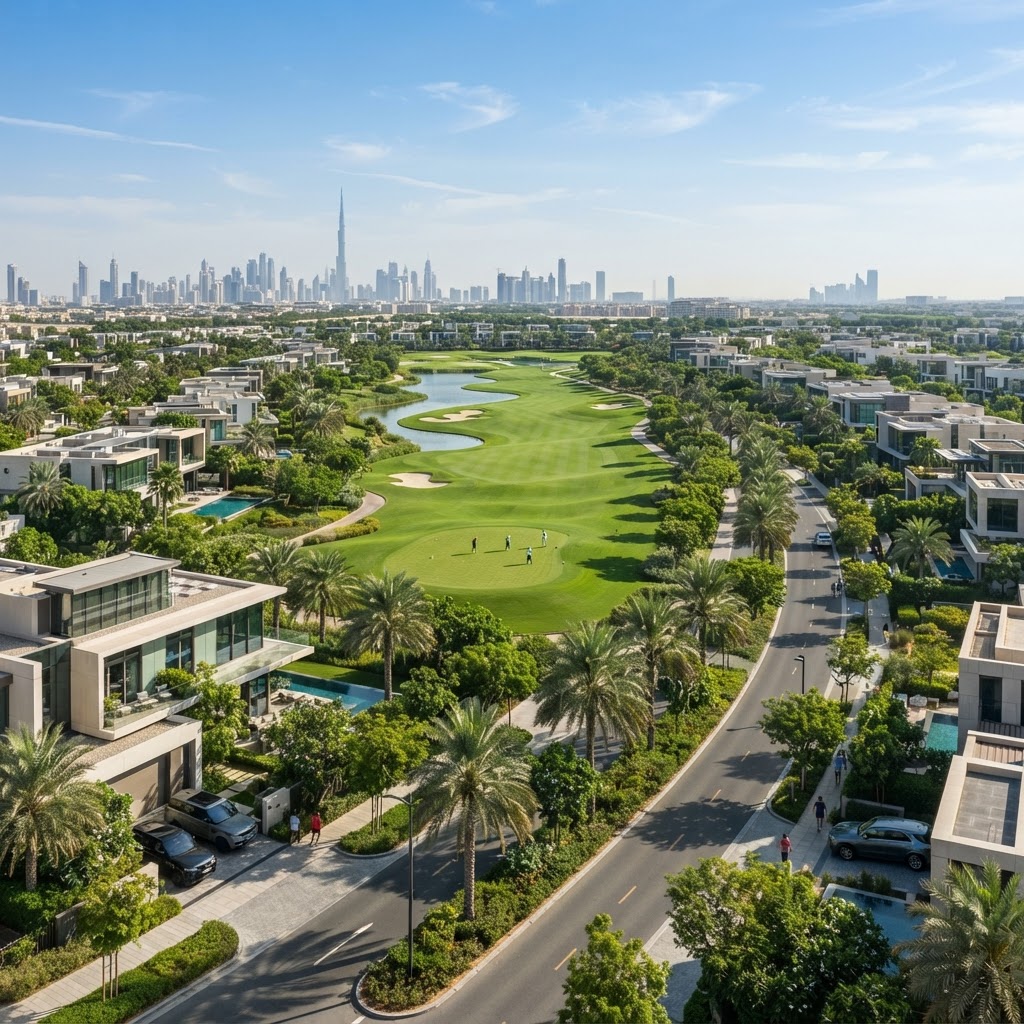
Dubai Hills Estate has emerged as one of the city's most complete integrated communities, centred on an 18-hole golf course, with a mix of villas, townhouses and apartments, schools, retail and extensive green space. Its appeal to end-users — families seeking a established, green, well-managed community — supports genuine occupier demand rather than purely speculative buying. For investors, the combination of family-oriented stock and maturing amenities is a meaningful consideration.
Mohammed Bin Rashid City (MBR City)
MBR City is a large, strategically located master plan positioned between the existing core and Dubai Hills. Its central location and mix of low- and mid-rise residential product, alongside planned retail and leisure assets, give it a distinct identity within the city's growth map. As with any large master plan, investors should assess the phasing of delivery, the volume of competing supply in adjacent districts, and the pace at which amenities become operational.
Dubai South and Expo City
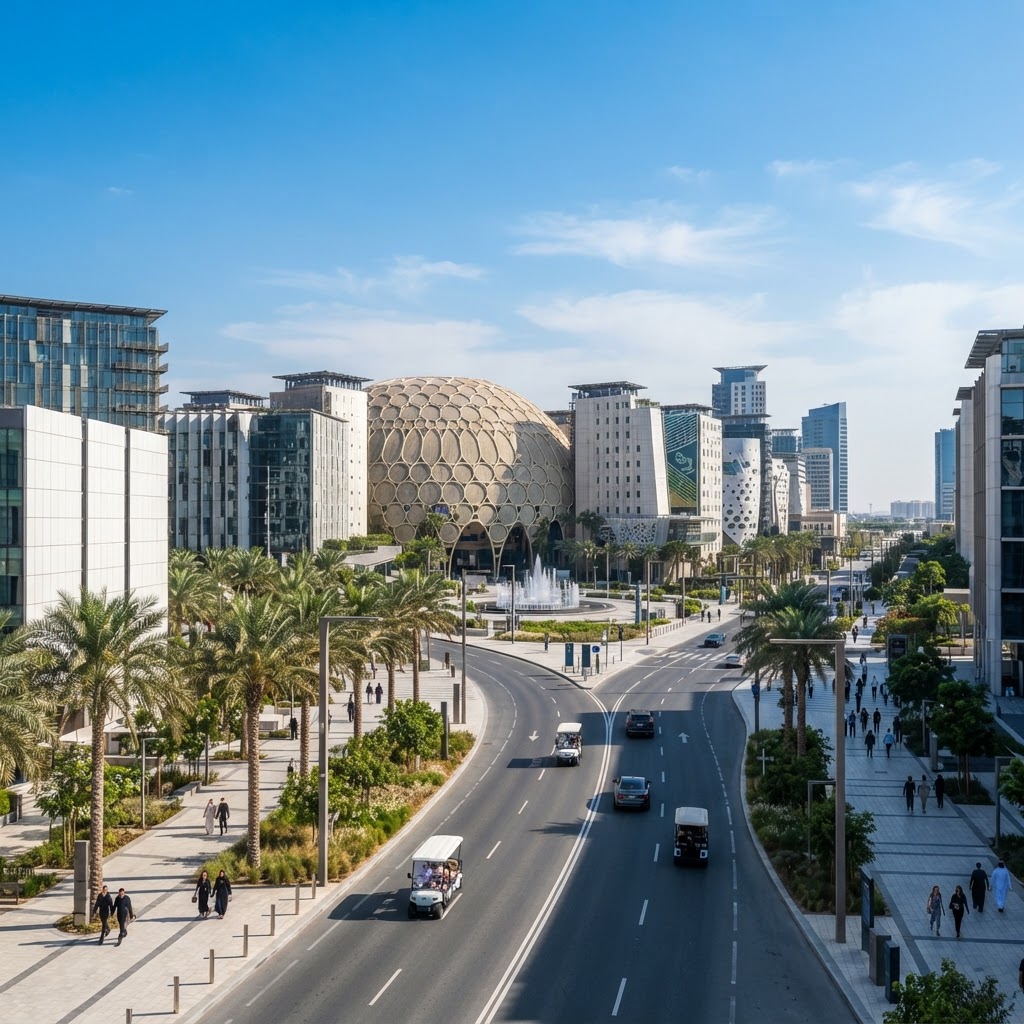
Dubai South, home to Expo City Dubai and adjacent to Al Maktoum International Airport, represents a longer-horizon play. The district's fundamentals — proximity to the airport, the legacy of Expo 2020 and a planned urban environment — are genuine, but the area is still consolidating. Investors here are buying into a multi-year growth story and should be comfortable with a patient holding period before occupier density and amenities reach maturity.
Infrastructure, Supply and Rental Demand
Three filters help evaluate any emerging district:
- Infrastructure. Confirmed or delivered metro, road and civic infrastructure is a leading indicator of occupier demand.
- Supply. A district with a large pipeline of competing stock may face pressure on rents and resale values until demand catches up.
- Rental demand. Districts that attract end-users — families, professionals — rather than only investors tend to show more resilient occupancy.
No district offers guaranteed returns, and emerging areas carry execution and absorption risk by their nature.
Risks to Weigh
- Delivery timing. Master plans slip; amenities arrive later than renderings suggest.
- Supply concentration. Several districts delivering simultaneously can weigh on near-term performance.
- Occupier maturity. A district needs residents, not just owners, to sustain rental demand.
A Disciplined Approach
- Visit the district and assess delivered, not just planned, infrastructure.
- Compare the supply pipeline against realistic occupier demand.
- Choose developers with proven delivery records.
- Plan to hold through the maturation period.
- Take independent advice on location, structure and tax.
If you are considering an emerging Dubai district, book a consultation to frame the decision against your wider objectives.
Conclusion
Dubai's emerging districts offer a different risk-and-opportunity profile from the established prime core. For patient investors who understand infrastructure, supply and occupier demand — and who are prepared to hold while communities mature — they are a legitimate part of a diversified Dubai property strategy. As always, no returns are guaranteed, and the right decision depends on individual objectives and advice.
This article is provided for general information only and does not constitute financial, investment, legal, tax or Shariah advice. Market values and investment returns can rise or fall. Investors should obtain independent professional advice before making any decision.